Ammonia bunkering

Ammonia Bunkering: Safety at the Centre of Every Operation

Ammonia contains no carbon, so burning it as a ship fuel produces no CO₂. That makes it a leading candidate for deep-sea decarbonisation. It is also toxic, corrosive to some materials and hazardous to people even at low concentrations. Our approach starts from that reality.

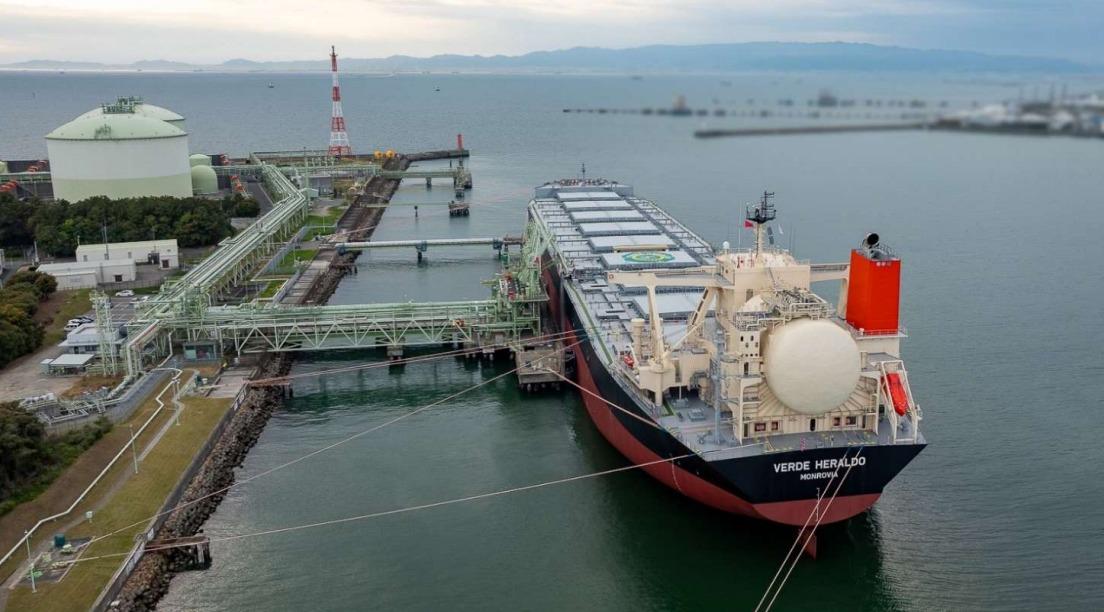
The world is moving from talk to practice. Ammonia bunkering for an ammonia dual-fuel vessel has already been carried out at Ulsan, South Korea, and India is building the supply base: renewable ammonia production is ramping up at projects such as AM Green’s mega-project.
The regulatory picture

In February 2025 IMO issued MSC.1/Circ.1687, Interim Guidelines for the Safety of Ships Using Ammonia as Fuel. They are non-mandatory but provide a goal-based safety framework for ship design, equipment, operations, bunkering, toxicity mitigation and crew protection. Key expectations include refrigerated storage at atmospheric pressure, inerting and gas-freeing of bunkering lines, secondary enclosure of fuel pipes, and no expansion joints or bellows in ammonia piping. We design and plan operations to these principles and to applicable Indian regulations.

What we deliver

  • Ammonia bunkering operations for ammonia-ready vessels.
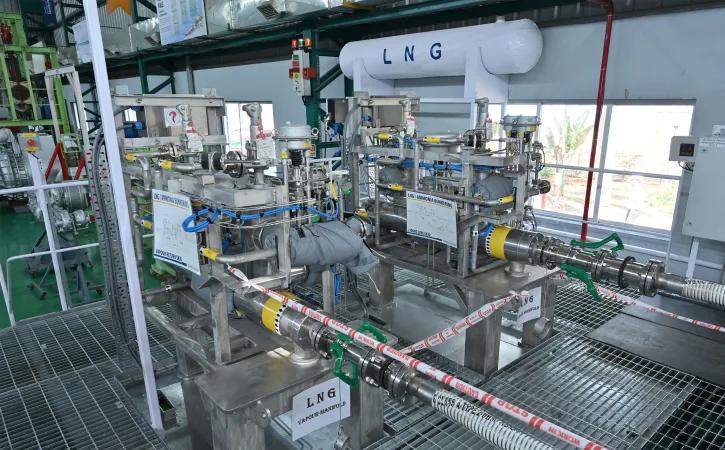
  • Transfer systems designed for ammonia’s pressure and material requirements, with correct metallurgy, no incompatible materials (e.g. copper alloys), leak-tight connections and purge arrangements.
  • Toxic gas detection and emergency response: fixed and portable detection, alarm and shutdown logic, emergency response plans and drills, water-spray and scrubbing provisions.
  • PPE protocols and safety zones: defined toxic and exclusion zones, personnel access control, and PPE and emergency equipment specifications.
  • Technical consultancy, risk assessment and on-site supervision, including HAZID, HAZOP and quantitative consequence studies.

Preparing for ammonia?