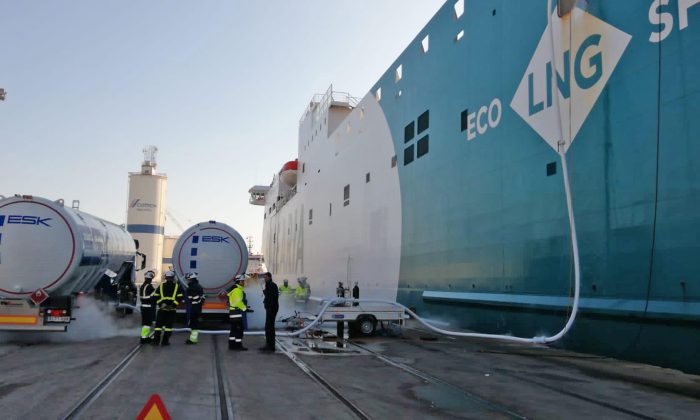
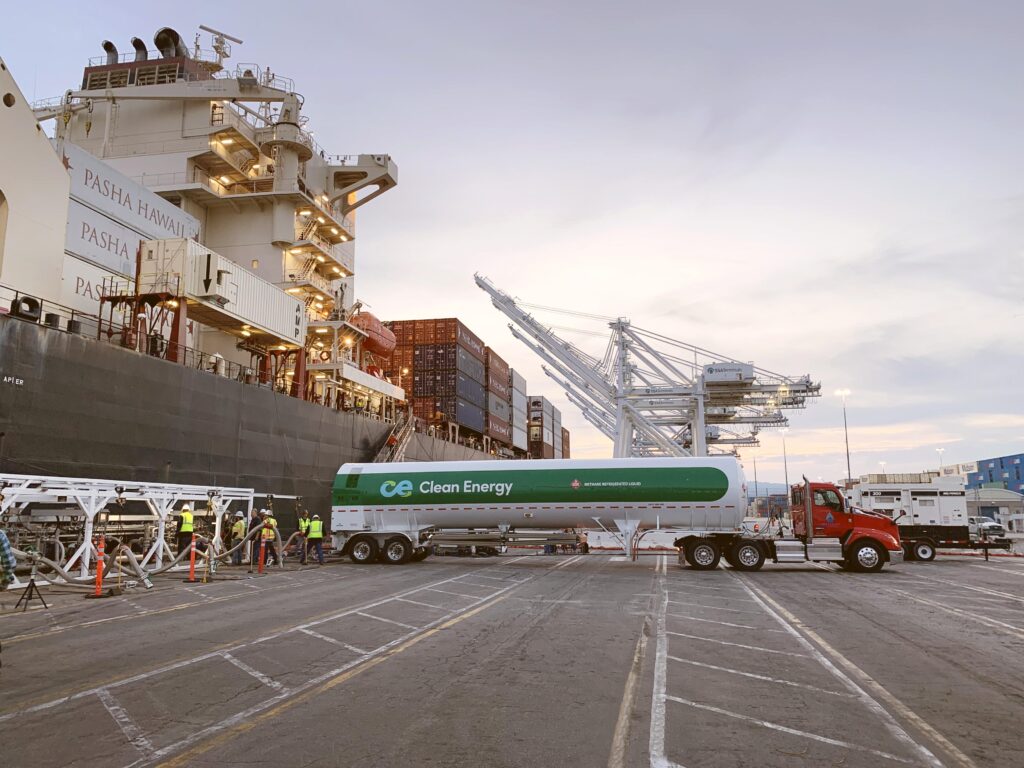
Unnic Bunkering Services delivers LNG to vessels through truck-to-ship transfer, supplies the cryogenic equipment behind the operation, and provides experienced technical supervision to keep every bunkering operation safe, compliant and on schedule.
India’s fleet and its ports are moving to LNG. What is still scarce is the ability to actually put that fuel into a vessel safely, measure it correctly, and document it in a way that stands up to scrutiny.
Unnic Bunkering Services exists for that job. We deliver LNG to ships, supply the transfer equipment, and put experienced marine engineers on the quay while it happens.
Operational availability, subject to terminal window
0/7
ABOUT UNNIC
Built by Mariners, for Mariners.
Unnic Bunkering Services Private Limited is an Indian LNG bunkering company formed to close the gap between vessels that can burn LNG and ports that can supply it.
We are led by seagoing marine engineers, not traders. That shapes how we work: the compatibility study is done before the truck arrives, the metering is custody-grade, the ESD loop is tested, and someone from our team is standing on the quay when the transfer starts.
We fabricate the pipework, supply the equipment, deliver the fuel and supervise the operation — from one accountable company.
Marine Expertise
Technical decisions shaped by practical seagoing and LNG operational experience.
One Point of Accountability
Equipment, fuel delivery and operational supervision coordinated through one team.
Road tankers connected simultaneously, hot-swapped without interrupting delivery
75+ years
Combined seagoing and LNG operations experience across our technical team
DN65 – DN150
Cryogenic hose range available
WHAT WE DO
LNG Bunkering & Marine Technical Services
From LNG delivery to cryogenic equipment and operational supervision, Unnic provides the technical and operational support required for a controlled vessel bunkering operation.
LNG Bunkering Operations
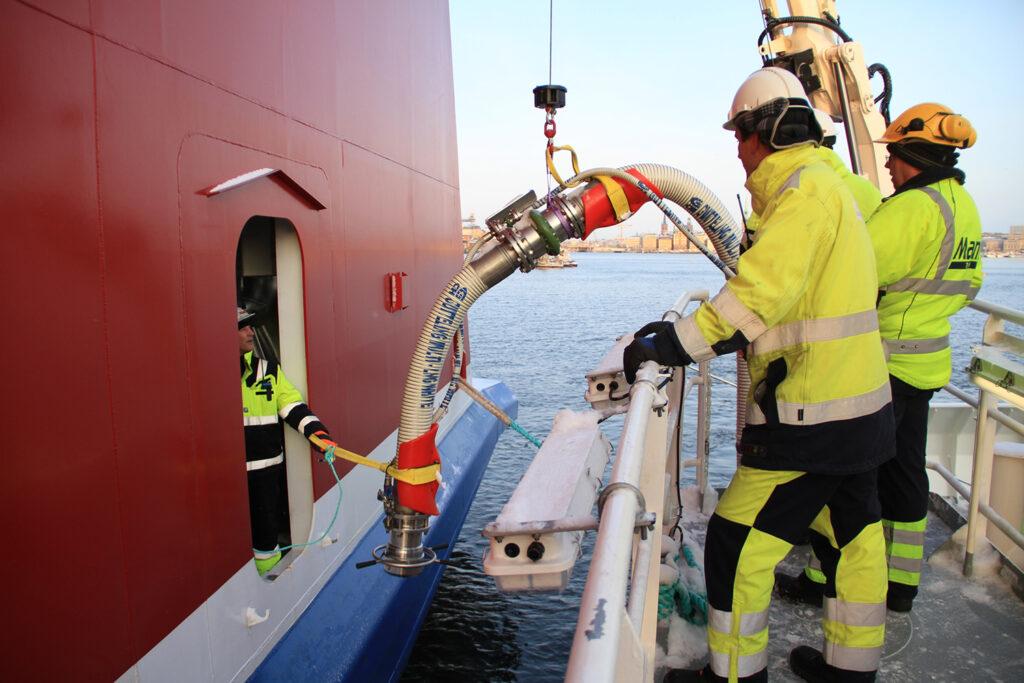
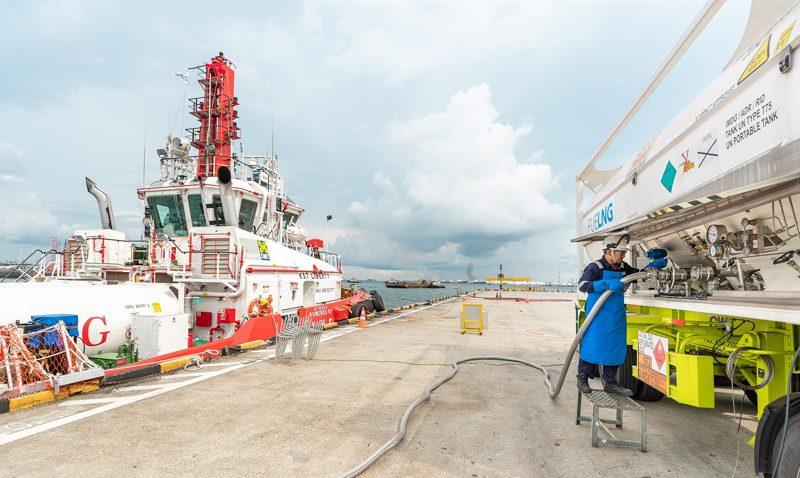
Truck-to-ship LNG delivery at terminals using a dedicated transfer arrangement, custody-transfer metering and documented bunker delivery.
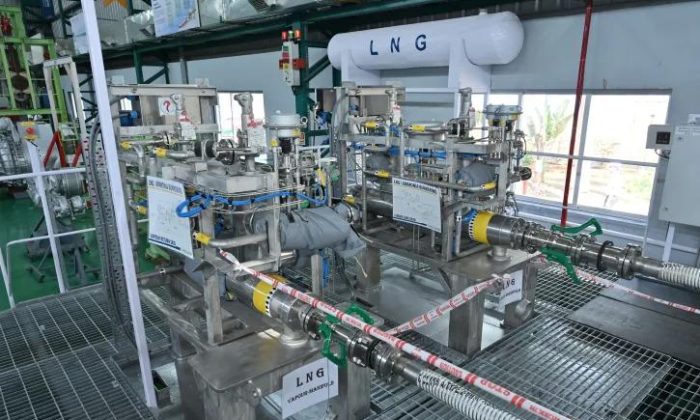
Cryogenic pipework, saddles, distance pieces, spool pieces, reducers and flanges, supported by hoses, couplings, transfer skids and metering equipment.
Bunkering Documentation
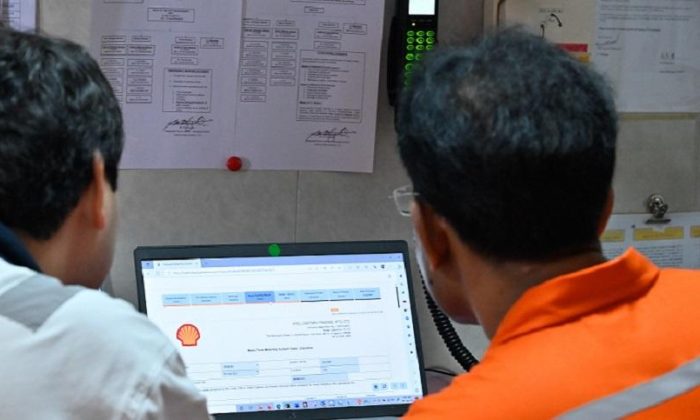
Pre-transfer checklists, quantity verification, operational records and Bunker Delivery Note issuance.
TECHNICAL CAPABILITY
Engineering Behind Every Transfer
A reliable LNG bunkering operation starts long before the transfer hose is connected.
Unnic combines marine engineering knowledge with cryogenic fabrication and transfer equipment to create bunkering arrangements suited to the vessel, terminal and operating conditions.
Transfer Equipment: Cryogenic hoses, dry-disconnect couplings, emergency release systems and transfer skids.
Custody Measurement: Coriolis mass flow metering for documented LNG quantity measurement.
Safety Interface: Emergency shutdown and ship-shore safety arrangements.
Bunkering for Tomorrow's Fuels: LNG, Methanol and Ammonia
Unnic Bunkering Services delivers safe, compliant ship-fuelling across LNG, methanol and ammonia. We build our own transfer equipment and supervise every transfer, from the first feasibility study to the last drop.
Trust Strip: Three fuels · One partner | In-house skids & cryogenic components | Aligned with IGF Code, IMO interim guidelines & DG Shipping circulars | ISO 9001 / 14001 / 45001 in progress
Your next vessel may not run on the fuel your current one does. Shipping is changing fuel faster than most port and supply infrastructure can keep up. LNG is already a mature marine fuel. Methanol-capable ships are entering service in growing numbers. Ammonia is moving from pilot projects to real bunkering operations. Unnic Bunkering Services was set up for this shift: one Indian company that can fuel, equip and support vessels across all three.
LNG – Available today.
Truck-to-ship LNG bunkering with in-house transfer skids and full on-site supervision.
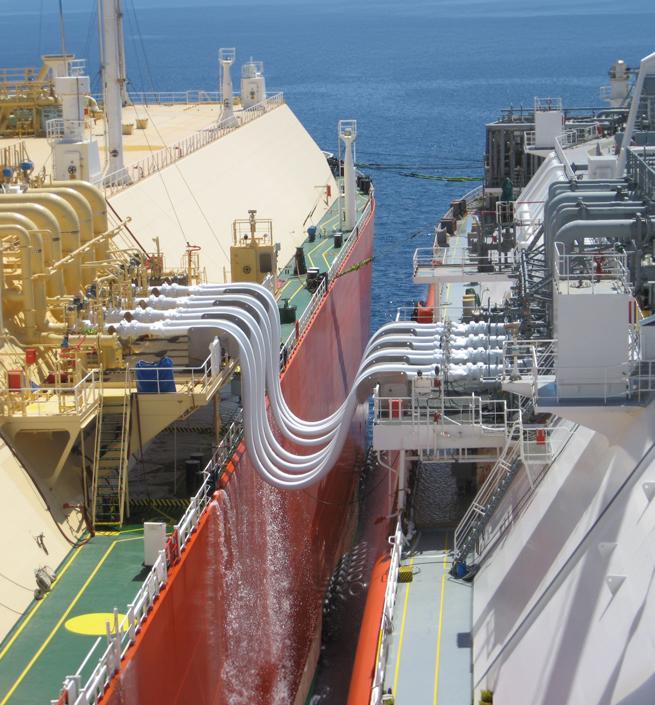
It is the delivery of LNG to a vessel from a cryogenic road tanker at the quayside, through a transfer skid and flexible hose or arm. It suits ports without dedicated bunker vessels or pipelines and allows deliveries to be scaled by adding trucks.
Yes. DG Shipping's Circular No. 17 of 2025 sets safety and operational guidelines for ship-to-ship, truck-to-ship and shore-to-ship LNG bunkering in Indian waters. Each operation also needs port authority approval.
The BDN is the formal record of an LNG delivery, showing quantity, fuel properties and the parties involved. For LNG, quantity is typically established by custody transfer measurement, commonly a mass flow meter, and reported in mass and energy terms.
A technical check that the vessel's bunker station, the supplier's equipment and the berth work together: connections, ESD links, hose reach, movement, mooring and safety zones.
Methanol has a low flash point, burns with a low-visibility flame and is toxic, so it needs vapour control, specific fire detection and firefighting, and strict PPE.
It can be bunkered safely with the right design and discipline: toxic-area control, gas detection, emergency response and trained personnel. IMO's interim guidelines provide the framework.