methanol-bunkering

Methanol Bunkering for the Dual-Fuel Fleet

Methanol is one of the fastest-growing marine fuels. Industry data put the global methanol-capable fleet at about 112 vessels in early 2026, with roughly 300 more on order, yet only around 48 ports offer operational methanol bunkering, compared with over 200 for LNG. That gap is the opportunity, and the risk, for ship owners: the ships are arriving before the supply chain.

India is moving too. Kandla Port carried out a shore-to-ship methanol bunkering trial in April 2026 and reached Port Readiness Level 6, and V.O. Chidambaranar Port is developing a green methanol bunkering facility. Unnic supports this ecosystem with operations, equipment and technical expertise.
Why methanol is different

Methanol is liquid at ambient temperature, so it is far easier to store and transfer than LNG or ammonia. But it brings hazards that need strict controls:

  • Low flash point. It forms flammable vapour at normal temperatures.
  • Nearly invisible flame. Methanol fires can burn with very low visibility in daylight, so detection and fire-fighting plans must reflect that.
  • Toxicity. Exposure through skin contact, inhalation or ingestion is harmful, so PPE, vapour control and spill containment matter.
  • Water-miscible. Spill response and firefighting foam choices differ from those for hydrocarbon fuels.

What we deliver

  1. Methanol bunkering operations for methanol-fuelled and dual-fuel vessels, whether the fuel is grey, bio- or e-methanol.
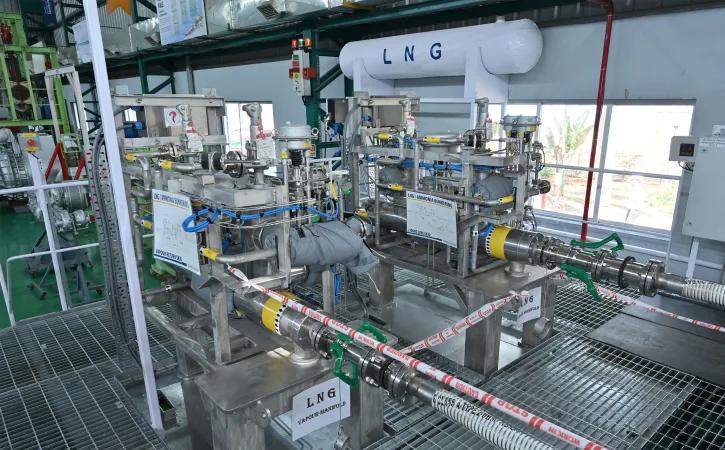
  2. Transfer systems and equipment suited to methanol service, with materials, seals and hoses selected for compatibility. Dedicated, non-interchangeable connections and clear hose identification help prevent cross-connection with other fuels.
  3. Safety planning: low-flame-visibility fire risk, vapour control and return lines, exclusion zones, gas and fire detection, and spill response.
  4. Regulatory alignment. Our planning follows IMO’s Interim Guidelines for the Safety of Ships Using Methyl/Ethyl Alcohol as Fuel (MSC.1/Circ.1621), with IGF Code principles applied as the basis for risk-based design. IMO’s CCC sub-committee has finalised a substantial revision of these guidelines, including stronger bunkering and PPE provisions. Approval by the Maritime Safety Committee is expected at MSC 113 in June 2027, and we track these changes for our clients.
  5. Technical consultancy, procedures and on-site supervision.

Have a methanol dual-fuel newbuild or retrofit?